A contemporary home deserves a landscape that matches its architecture, lifestyle, and local climate. The days of default turf and evenly spaced shrubs are long gone. Homeowners expect outdoor spaces that function like an extension of the interior, with layers of planting, smart water use, integrated lighting, and materials that age gracefully. The best landscape design services begin with listening, move through careful planning and detailing, and only then shift to installation and long-term landscape maintenance services. Done right, your yard can absorb heat, clean stormwater, invite pollinators, and still host a birthday dinner for eight without a scramble.
How Contemporary Design Translates Outdoors
Modern landscape design favors clarity and restraint, but it is not sterile. Think edited plant palettes, precise lines, and materials that balance warm and cool textures. When I work with a client on a contemporary home, we start with the architecture for cues. A horizontal roofline suggests linear beds and banded paving. A black steel window package pairs naturally with dark-stained wood, honed concrete, and restrained grasses. If the interior is pared back, the garden can offer a deliberate contrast with looser planting, but the structure underneath should still hold a clean geometry.
Scale matters. Many modern homes use large panes of glass and wide openings, which means the landscape is always on display. A 12-inch-wide planting strip looks stingy through a 14-foot slider. Overscale moveable planters, deeper planting beds, and a mix of canopy and understory trees give depth to those long interior views. The modern look comes as much from spacing and proportion as from the choice of plants and pavers.
From Site Walk to Concept Plan
Every successful landscaping project starts with a careful site assessment. We measure, test, and observe. In my practice, I like to stand on the property at 7 a.m. and again late in the afternoon. That alone reveals airflow, glare, and where neighbors’ roof water spills. A landscape design service shouldn’t rush this. Soil tests set realistic expectations, identify compaction, and help plan any amendments. If a client wants lavender and olives in heavy clay, we can make it happen with raised beds and lean soils, or we steer toward a different palette that keeps the spirit but fits the conditions.
I sketch in layers. First, program bubbles that show functions: dining, lounging, play, storage, and circulation. Next, a loose grading concept that addresses drainage and step heights. Only then do we pick materials and plants. This order avoids expensive last-minute changes. For example, sizing the steps early lets us coordinate tread lengths with paver sizes and lighting runs, which saves labor and prevents awkward cuts.
Materials That Earn Their Keep
A modern landscape leans on a tight materials palette. Three strong materials can do more than seven competing ones. The key is to choose for performance first, then aesthetic.
- Concrete, if used, should be specified with the right aggregate and finish. I often recommend a sandblast or light broom finish for grip. Control joints need to be placed thoughtfully; they read as part of the design. Large precast pavers can speed installation and reduce cracking, as long as the base prep is meticulous. Wood softens all the hard edges. Thermally modified ash or ipe can stand up to weather, but they need regular maintenance and a realistic budget for oiling or letting them gray. If clients balk at upkeep, we shift to porcelain planks or composite decking with convincing textures. Steel brings edge definition for garden landscaping. Cor-ten is durable and develops a stable patina, but it can stain adjacent surfaces as it weeps early in its life. I keep it away from light-colored concrete or provide a gravel buffer.
Modern design tolerates imperfection in the right places. A trowel-finished concrete bench shows the hand of the maker. A laser-straight steel edge gives your eye a rest. This tension keeps the space from feeling like a catalog.
Planting Design: Fewer Species, More Rhythm
Contemporary planting thrives on repetition and seasonal change. The palette is compressed, but never monotonous. I prefer to design in blocks or drifts rather than checkerboards. Massing three or four species at a time allows texture to read at a distance through those big windows. Then I weave in a handful of accents for punctuation.
Ornamental grasses are a staple because they animate the space with wind and catch low light. Panicum, Pennisetum, and Muhlenbergia perform well in many climates with minimal water once established. To avoid a beige winter, pair them with evergreen structure: clipped shrubs, upright junipers, or architectural succulents where frost allows. In colder regions, multi-stemmed birch or serviceberry offers a sculptural winter silhouette and spring bloom without messy fruit.
Clients often request color but don’t want fussy maintenance. The solution is timing. Layer bulbs for spring, long-blooming perennials for summer, and a few late-season stars. A restrained palette might be white and blue in sun, chartreuse and burgundy in shade. The aim is continuity, not a fireworks show.
Spacing is where many installations go wrong. Modern planting needs breathing room. If the design calls for 24-inch centers, resist the urge to cram plants tighter to get instant fullness. Overplanting looks good for six months and becomes a battle. We set expectations: year one is for establishment, year two for growth, year three for payoff.
Water, Climate, and the Real Cost of Green
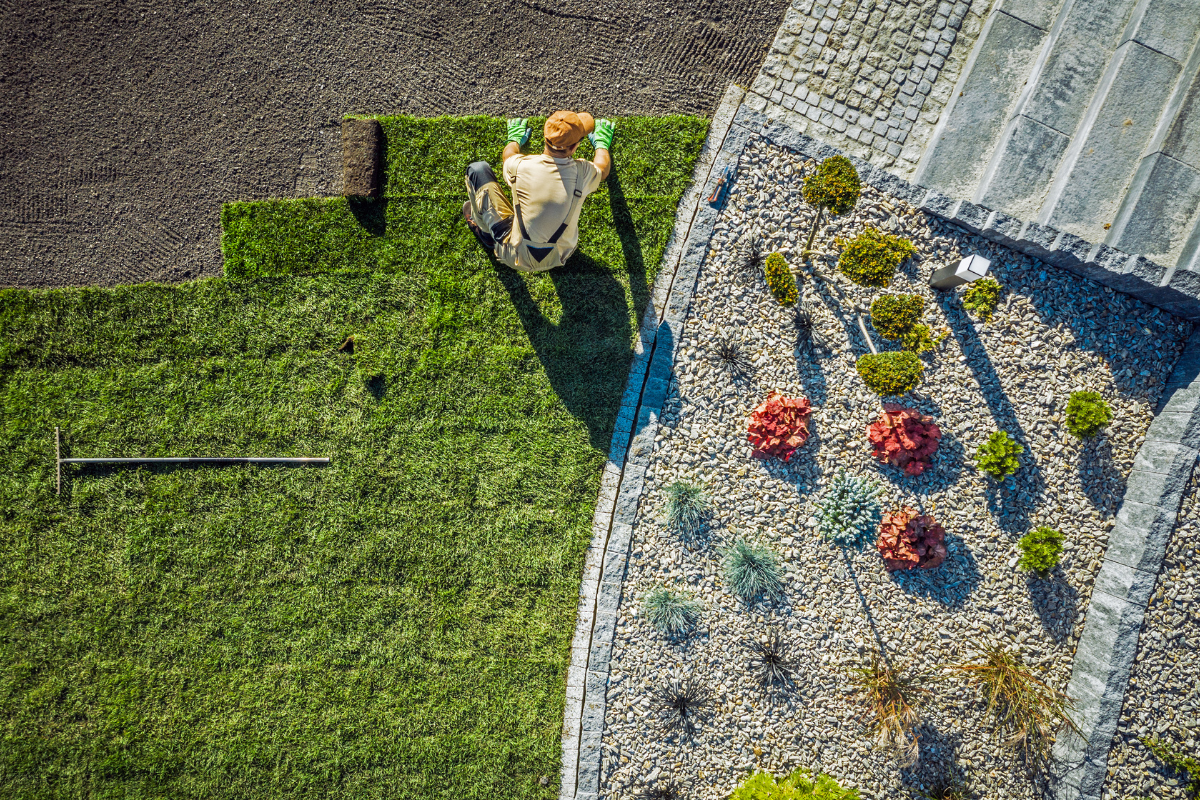
A contemporary landscape that guzzles water is out of step. The first move is to right-size lawn areas. Turf can be great for kids, dogs, and cooling, but it should be intentional and usually smaller than habit suggests. A landscaping company that offers lawn care can keep small lawns impeccable while the rest of the property leans into low-water plantings and permeable hardscape.
Drip irrigation is the workhorse. It limits evaporation and puts water at the roots, but it requires thoughtful zoning. Group plants by water needs and solar exposure. Hydrozoning reduces waste and avoids stressed plants. In windy sites, rotor heads for lawn need low-precipitation rates and head-to-head coverage to prevent brown crescents. Smart controllers add convenience, but they can’t fix a poorly designed system. I still like to walk the site and run each zone manually during the first season to dial in frequencies and durations.
Rain management separates a good landscaping service from an average one. If a property slopes toward the house, plan for swales, perforated drains, or a discreet sump system. Where codes allow, a rain garden can intercept roof runoff and infiltrate it back into the soil. Use native rushes, sedges, and perennials that tolerate short periods of standing water, then go dry between storms. It is rare that a site cannot include at least a small infiltration feature.
Outdoor Rooms Without Clutter
Modern homes beg for outdoor rooms that feel like part of the house. The trick is to define space without filling it with furniture and planters. Grade changes, overhead planes, and lighting handle most of that work. Three shallow steps can separate a lounge from a dining zone more elegantly than a railing. A steel and wood pergola filters light and creates scale, especially near tall facades. If you plan a pergola, coordinate post locations with hidden footings and conduit from the start, not after the patio is poured.
Kitchens and fire features should follow actual use, not Instagram. I ask clients how often they cook outdoors, what they cook, and in which seasons. For some, a built-in grill, sink, and refrigerator make sense. For others, a freestanding, high-quality grill and a rolling prep table do the job and keep the patio flexible for gatherings. Fire pits should be sited for comfort and wind, not only for a view. Gas is clean and easy to control, wood is visceral and warm. Both benefit from wind screens and proper clearances.
Lighting for Safety and Drama
Night lighting has improved to the point that it can be subtle and powerful at once. LED fixtures with warm color temperatures avoid the cold, bluish light that makes plants look artificial. If I can, I design for three layers: path lighting for safety, washing or grazing to give surfaces depth, and a few well lights to pick out specimen trees. Less is more. Let darkness do part of the work.
Wiring is often the first casualty of poor planning. Before any concrete is poured or base rock is compacted, run conduits under hardscapes and to future planting areas. Even if you do not install all the fixtures immediately, having pathways for wire avoids saw cuts and surface-mounted compromises later.
Maintenance is Design: How to Keep It Looking Fresh
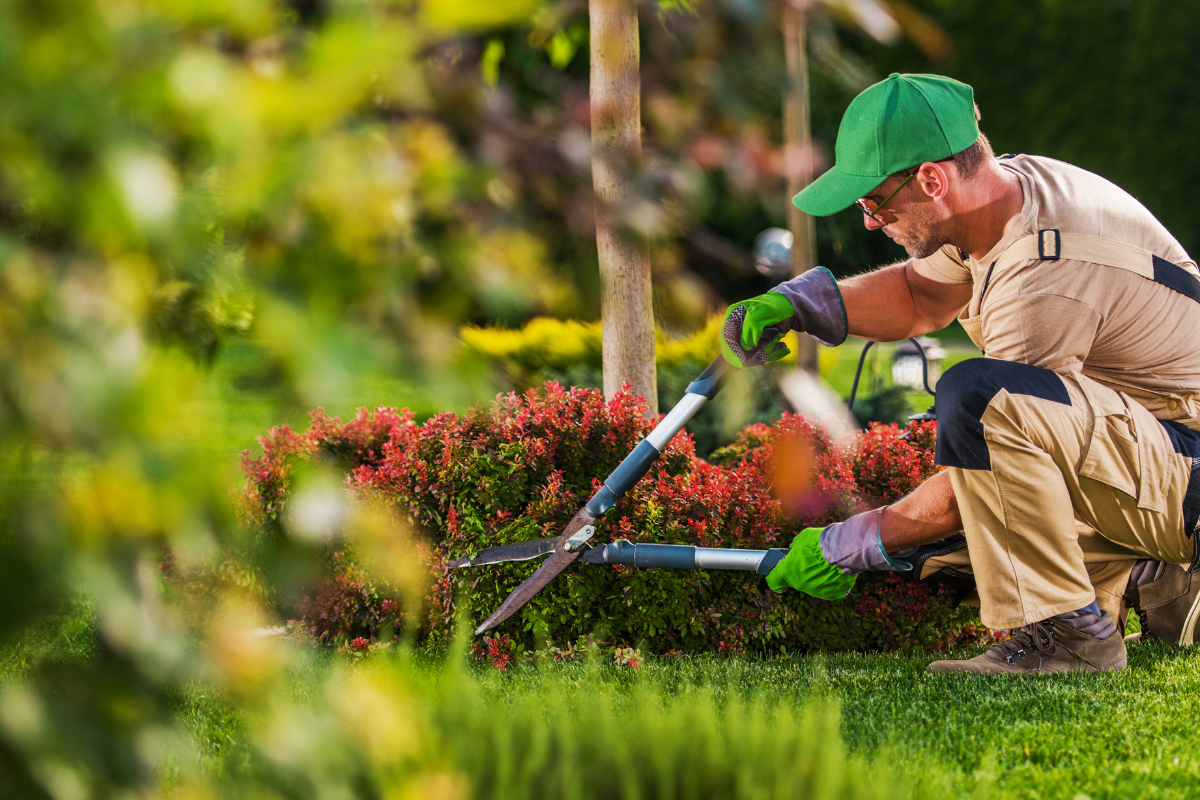
The best-designed landscapes fall apart without a maintenance plan. Garden landscaping for modern homes tends to be forgiving, but it still needs seasonal attention. A good landscape maintenance service is not just mowing and blowing. It is an ongoing practice of pruning with intent, refreshing mulch, checking irrigation, and replacing the few plants that inevitably fail.
Pruning in a contemporary garden aims for crisp forms, not tight topiary unless that is part of the concept. Grasses need a hard cut once a year, typically late winter before they push new growth. Evergreens get light touch-ups to keep spacing. Perennials are cut back as they fade, though leaving some seed heads can feed birds and bring winter interest. I set clients up with a calendar: monthly checks for irrigation and lighting, quarterly paver joint sand top-offs where needed, seasonal fertilizing based on soil tests rather than habit.
Weeds are managed by density and mulch as much as by hand. A 2 to 3 inch layer of fine mulch suppresses most germination and stabilizes soil moisture. In paths, polymeric sand in paver joints cuts down on sprouting. For cracks and stubborn spots, a targeted spot-spray is more effective and less harmful than broad applications.
The Process with a Professional Landscaping Company
A professional landscaping company should feel like a partner. The process is transparent, with drawings, samples, and clear pricing at each stage. I like to give clients three documents before a shovel hits the ground: a scaled plan with dimensions, a planting list with quantities and sizes, and a materials board they can touch. The construction contract spells out allowances and unit prices for the unknowns, like hauling contaminated soil if we discover it, https://josuegykz968.lucialpiazzale.com/integrated-pest-management-for-lawn-care or replacing rot in a hidden fence post line.
Schedules matter. Good crews sequence their work so the site remains as livable as possible. Demo and grading first, then hardscape, then irrigation and lighting rough-ins, then planting and final adjustments. If we are phasing a project over multiple seasons, we stabilize the edges and leave the site tidy between phases. Communication beats assumptions. A weekly email with photos and a two-week look-ahead avoids surprises.
Budgets, Value, and Where to Spend
Modern landscapes look simple, but simple often means precise, and precise costs. Straight lines and large formats demand better base preparation. Perfectly aligned joints require time. It pays to prioritize. I encourage clients to spend on things that are hard to change later. Grading, drainage, and major hardscape fall into that category. Plants can grow, move, and be added over time. Lighting, conduit, and sleeves are cheap insurance when installed before finishes go in.
A reasonable yardstick for a complete landscape around a contemporary home is 10 to 20 percent of the home’s value, though urban sites, steep grades, and specialty materials can push that higher. If your budget is tight, tackle one outdoor room to completion rather than sprinkling effort everywhere. A finished courtyard off the kitchen will see more use than five half-built corners.
Sustainability Without Greenwashing
Sustainability gets reduced to checklists. In practice, it’s a series of grounded choices. Using local stone or gravel reduces transport. Selecting regionally adapted plants lowers water and fertilizer inputs. Converting large, underused lawn areas to planting cuts water use dramatically, often by 50 percent or more. A permeable driveway with a proper base turns a liability into a recharge feature, but only if it is sized to handle the site’s runoff. Composting green waste on-site closes a loop and enriches beds. All of this should be visible in the design documents, not just the marketing copy.
Wildlife value is possible in a modern aesthetic. Nectar plants mixed into a restrained palette still support pollinators. Bird-friendly shrubs placed away from large glass expanses reduce strike risk. A slim water bowl on a shaded plinth brings movement without the maintenance of a big fountain. The goal is to make an outdoor space that hums quietly with life, not one that announces its virtue.
Regional Notes and Microclimates
No landscape is truly generic. A modern yard in Phoenix has different constraints than one in Seattle. In arid regions, gravel mulches and spaced plantings read as elegant and honest. Drip lines must be buried and pressure-compensating emitters used to avoid salt buildup at the surface. In the Pacific Northwest, drainage is everything. Raised terraces, open joints, and generous spacing around wood keep surfaces dry and reduce moss. In humid climates, airflow matters more. Plant disease pressure goes up, and spacing plus cultivars with better resistance keeps maintenance reasonable.
Microclimates within a single property can be dramatic. A south-facing stucco wall creates a heat sink where rosemary and salvias thrive. A pocket near the back fence collects cold air, making it a better spot for plants that need more chilling hours. Capturing and using these nuances is part of what a thoughtful landscaping service offers and is often the difference between a design that survives and one that thrives.
The Quiet Technology That Helps
While it should never dominate, certain tools make a modern landscape easier to live with. Low-voltage lighting on timers or smart systems saves energy and adds security. Weather-based irrigation controllers adjust schedules after storms, but they still need human oversight each season. Simple, durable sensors, like flow meters tied to a shut-off valve, catch leaks early. Outdoor speakers should be planned with wiring paths and zones, not tacked on after the fact. None of these should call attention to themselves; their job is to disappear behind the experience of a comfortable, calm outdoor room.
Case Notes: Three Yards, Three Approaches
A compact urban courtyard, 28 by 34 feet, sat behind a rowhouse with floor-to-ceiling glass. The client wanted privacy without height restrictions. We installed a staggered fence of charred wood slats, alternating 5-inch and 3-inch boards with 1-inch gaps. Inside, a raised steel planter ran the length of the lot, filled with bamboo clumped species that top out at 12 to 14 feet. The narrow planter doubled as bench seating with a wood cap. Poured-in-place concrete pavers at a 30-inch module aligned with interior tile joints, making the transition read as one space. Irrigation runs hid under the bench; lighting grazed the fence, glowing rather than glaring. Maintenance is light: annual bamboo thinning, oiling the wood cap twice a year, and keeping the gravel joints topped up.
A coastal hillside home needed usable outdoor space on a 22 percent slope. Rather than massive retaining walls, we terraced gently with 24-inch risers and 8-foot-deep platforms, each serving a different function. Steps ran diagonally to reduce the sense of climbing. Planting mixed native buckwheats and salvias with textural grasses that stabilize the slope. A steel cable railing kept views open and met code. Drip irrigation was broken into microzones to account for sun and wind exposure at different terraces. The owners entertain on the middle terrace, out of the wind, with a movable fire bowl and low lounge seating. The hillside drinks winter storms through bioswales, and the overflow hits a rock-lined spillway. Erosion has been a non-issue for five years.
A family in a hot-summer suburb wanted a lawn large enough for soccer but did not want an expanse of baking turf. We created a 24-by-36-foot hybrid Bermuda rectangle, framed by a decomposed granite jogging loop and massed plantings. For heat relief, a narrow rill runs along the shady edge, fed by a recirculating pump and cooled by evaporation, dropping perceived temps by a couple of degrees on the patio. Trees are sited for future shade of the house’s western facade. The lawn care plan is simple: reel mow during peak growth, overseed with rye in winter if they want green, or let it go dormant to save water. The rest of the garden uses drip, and the water bill dropped by 35 percent from the previous all-lawn yard.
Working With Contractors and Timelines
Even with a strong design, the build hinges on the crew. Ask a prospective landscaping company about foreman tenure and how they handle punch lists. Walk their recent projects and look at edges: where pavers meet planting, how fence posts meet grade, how irrigation valves are boxed. These details tell you more than a slideshow of hero shots. Clear communication beats the blame game when something inevitably goes sideways. A supplier may be short on the specified porcelain paver. A sudden storm might force regrading. A good team proposes options that protect the design’s intent without pushing costs out of control.
Build windows fluctuate with seasons and demand. Spring and early fall are peak. If you can, sign contracts in late winter to secure a start date, and be ready with final choices so materials can be ordered. Lead times vary widely. Some lighting fixtures run 2 to 4 weeks, specialty pavers and custom metalwork can take 6 to 12 weeks. Pad the schedule to account for that. It is better to wait for the right materials than to substitute something that compromises the look and performance.
The Quiet Work of an Ongoing Relationship
A landscape matures. It will surprise you in small ways as shadows shift and plants find their stride. The relationship with your landscaping service should grow with it. A spring walk-through is worth an hour every year. Review plant performance, adjust irrigation, note any material wear, and plan small improvements. Maybe a shade sail would extend patio use by a month on either end of summer. Perhaps a hedge can be notched to frame a new view. These tweaks compound over time and keep the garden aligned with how you live.
For homeowners who like to get hands dirty, carve out a bed or two to tend personally. Let the maintenance crew handle structural pruning and lawn care, while you play with seasonal color or herbs near the kitchen. That hybrid approach keeps costs in check and ties you to the space.
Choosing the Right Partner
The market is full of providers. Some excel at construction, others at design and plant knowledge. Look for a team that can articulate not just what they will install, but why it fits your home and habits. Portfolios should show restraint and coherence, not just expensive materials. Ask how they handle landscape maintenance services after the build. A team that offers both installation and maintenance tends to be accountable in the best way; they live with their work and see how it ages.
There is no single recipe for a modern landscape, only a set of principles and practices that respect site, climate, and life. When all the pieces align, the result is an outdoor environment that looks effortless, functions beautifully, and continues to earn its keep years after the last crew truck pulls away. A clean line here, a soft meadow drift there, and a place to set down a glass at sunset - that is the kind of modern everyone can live with.
Landscape Improvements Inc
Address: 1880 N Orange Blossom Trl, Orlando, FL 32804
Phone: (407) 426-9798
Website: https://landscapeimprove.com/